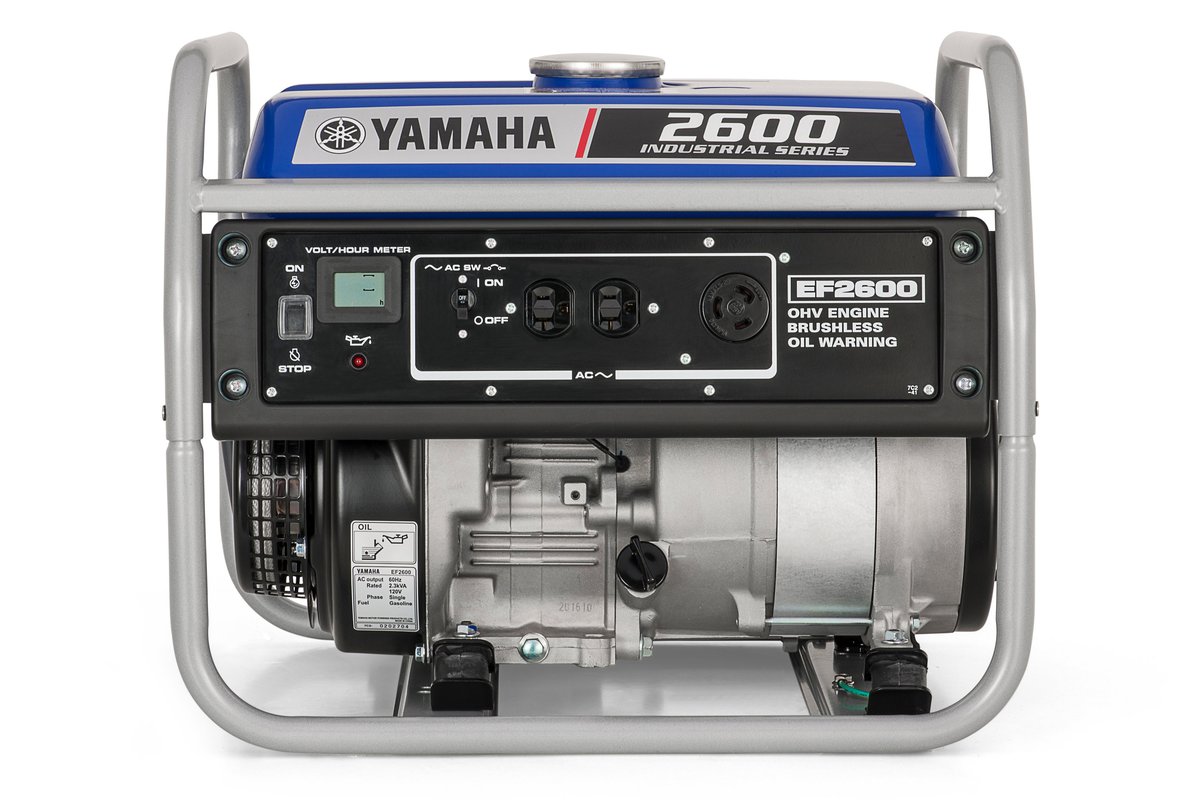
When the lights go out, a reliable generator can feel like a lifeline, bringing comfort and essential power back into your home or workspace. Yamaha generators, renowned for their quality and performance, are an excellent choice for this crucial role. However, the power they provide comes with significant responsibilities. Mastering Safe Operation & Use Cases for Yamaha Generators isn't just about protecting your investment; it's about safeguarding lives, preventing injuries, and avoiding costly damage. Treat your generator with the respect its power demands, and you'll unlock its full potential securely.
At a Glance: Key Generator Safety Takeaways
- Location is Everything: ALWAYS operate generators outdoors, at least 20 feet from any building, and direct exhaust away from openings.
- Carbon Monoxide is Silent: Install battery-powered CO detectors on every level of your home. Never rely on open windows/doors for ventilation.
- Electrifying Risks: Never "backfeed" power into your home's electrical system without a professionally installed transfer switch or interlock device.
- Fuel Facts: Refuel only when the generator is off and cool. Store fuel safely in approved containers, away from living spaces.
- Regular Checks: Adhere to Yamaha's maintenance schedule. Faulty equipment is dangerous equipment.
- Read the Manual: Your generator's manual is your most important safety guide. Familiarize yourself with every instruction.
Understanding the Power: Why Safety Isn't Optional
Generators offer unparalleled convenience, bridging the gap during power outages or providing electricity in remote locations. Yet, they present inherent risks: the silent, deadly threat of carbon monoxide (CO), electrical shocks, fire hazards, and potential mechanical injuries. For a Yamaha generator, known for its robust engineering and user-friendly features, adhering to rigorous safety protocols is not merely a suggestion; it's a non-negotiable part of responsible ownership that ensures both your equipment's longevity and, more importantly, human safety. Whether you're considering purchasing one or already own a model, taking the time to truly understand its safe operation is paramount. For those looking for the right model for their needs, you can explore Yamaha generators and find one that fits your requirements.
Comprehensive training is the bedrock of safe generator use. Anyone who will operate or maintain the unit needs to understand the mechanics, the specific dangers (e.g., gas vs. diesel), proper setup and shutdown procedures, how to respond to malfunctions, and awareness of environmental hazards like flammable materials or poor ventilation. Safety protocols aren't static; they should be regularly reviewed and updated.
The Silent Killer: Mastering Carbon Monoxide (CO) Safety
Carbon monoxide (CO) is the most insidious danger associated with generators. It's an invisible, odorless, and tasteless gas produced by burning fuels, and it's a leading cause of generator-related fatalities. The symptoms of CO poisoning (headache, dizziness, nausea, weakness) can mimic the flu, often leading victims to dismiss the danger until it's too late.
Where to Put Your Generator: The 20-Foot Rule
The single most critical safety measure against CO poisoning is proper generator placement:
- Always Outdoors: Generators must never be operated indoors or in any partially enclosed space. This includes garages (even with the door open), outside porches, carports, attics, basements, crawl spaces, or sheds. Opening doors or windows provides insufficient ventilation and will not prevent CO buildup.
- Maintain Distance: Place your generator a minimum of 20 feet (about two car lengths) from any structure. This creates a buffer zone for CO exhaust to dissipate safely into the open air.
- Direct Exhaust Away: Ensure the engine exhaust is directed away from any windows, doors, air conditioning units, or other openings that could allow CO to seep into your home or neighboring buildings.
- Stable Surface: Choose a stable, flat surface like a driveway, stone patio, or a level patch of grass to prevent the generator from tipping or vibrating excessively during operation.
Essential Guardians: Carbon Monoxide Detectors
Proper placement dramatically reduces risk, but it's not a foolproof guarantee. CO detectors are your vital second line of defense:
- Strategic Placement: Install working, battery-powered CO detectors on each level of your home, and especially outside sleeping areas.
- Regular Testing: Test your CO detectors monthly and replace batteries annually, or as recommended by the manufacturer.
- Never Ignore Alarms: If a CO alarm sounds, immediately move everyone (including pets) outdoors to fresh air and call 911. Do not re-enter the building until emergency services confirm it is safe.
- Advanced Safety Features: Consumer Reports now recommends portable generators only if they pass rigorous CO safety technology testing, which evaluates CO response and exhaust efficiency. Models with automatic shutoff features that activate if CO levels become dangerously high are preferred. While these technologies are excellent advancements, they are supplements to, not replacements for, proper placement and dedicated CO detectors.
Setting the Stage: Optimal Generator Setup for Safety
Beyond CO prevention, correct physical setup is fundamental to safe and efficient operation.
Grounding Your Generator: An Electrical Imperative
Proper grounding of your generator is essential to prevent electrical hazards and shocks. This typically involves connecting the generator to a grounding rod driven into the earth. Consult your Yamaha generator's manual for specific grounding instructions, as requirements can vary by model and local electrical codes. If you're unsure, an electrician can ensure your setup is compliant and safe.
Weather Protection: Shielding Your Power Source
Operating a generator in rain or snow poses a significant electrocution risk if water comes into contact with electrical components. However, simply covering it with a tarp isn't enough – and can be dangerous if it impedes ventilation.
- Generator-Specific Covers: Invest in a generator-specific cover or enclosure designed to protect the unit from the elements while ensuring adequate airflow. These often have open sides or vents to allow exhaust to escape and prevent heat buildup.
- Elevated Placement: If possible, place the generator on a slightly elevated, dry surface to prevent it from sitting in standing water.
- Prioritize Ventilation: Always ensure that any cover or enclosure does not restrict the generator's ventilation or impede the exhaust flow.
Powering Up Safely: Operating Your Yamaha Generator
Once your generator is properly placed and grounded, safe operation hinges on understanding its mechanics and limitations.
Start, Load, and Stop: Know the Procedure
Every Yamaha generator model has specific start, load, and stop procedures outlined in its owner's manual. Before the need arises, familiarize yourself with these steps:
- Start-Up Sequence: Typically, you'll ensure all connected appliances are off, open the fuel valve, set the choke (if applicable), and then start the engine (manual pull or electric start).
- Connecting Loads: Once the generator is running smoothly, you can begin plugging in appliances, starting with the largest loads first.
- Load Limits: Adhere strictly to the generator's wattage output limits. Overloading can cause the generator to overheat, trip circuit breakers, damage connected appliances, and create fire hazards.
- Load Balancing: Distribute your electrical load evenly across the generator's outlets if it has multiple circuits. This prevents one circuit from being overloaded while others remain underutilized, optimizing performance and safety.
- Shutdown Sequence: Before shutting down, disconnect all appliances, allow the generator to run for a few minutes without a load to cool down, and then follow the manufacturer's specific shutdown steps.
Avoid Wet Conditions
Operating generators in wet or damp conditions (like standing water, heavy rain, or snow) significantly increases the risk of electrocution. Water and electricity are a dangerous combination. Even with a weather-resistant cover, extreme caution is necessary. If conditions become too severe, it's safer to shut down the generator than risk an electrical incident.
Connecting Your World: Electrical Safety & Smart Wiring
This is where many generator-related injuries occur. Understanding proper electrical connections is non-negotiable.
The Golden Rule: Never "Backfeed" Your Home
Never plug your generator directly into a wall outlet in your home. This is known as "backfeeding" and is incredibly dangerous.
- The Hazard: Backfeeding bypasses critical safety mechanisms. It sends electricity from your generator back into the utility grid, potentially electrocuting utility workers who may be working on power lines, assuming they are de-energized. It can also damage your home's electrical system, appliances, and create a fire hazard.
- The Solution: Transfer Switches or Interlock Devices:
- Transfer Switch: This is the safest way to connect a generator to your home's electrical system. Installed by a licensed electrician, a transfer switch physically isolates your home from the utility grid before connecting to the generator, preventing backfeeding. It allows you to power specific hardwired appliances (furnace, central A/C, well pump) directly from your generator.
- Interlock Device: A more affordable option, an interlock device is installed on your main breaker panel. It mechanically prevents your main utility breaker and your generator breaker from being on at the same time, thus preventing backfeeding. Like a transfer switch, it must be installed by a qualified electrician.
- Outlets Only: If you don't have a transfer switch or interlock device, you must only use the generator's built-in outlets with appropriately rated extension cords to power individual appliances.
Extension Cords Done Right
Using the correct extension cords is vital for both safety and preventing damage to your appliances and generator.
- Check the Manual: Always refer to your appliance owner's manual for recommended cord gauge/thickness.
- Rating Matters: Cords must be rated for outdoor use, and they must be grounded (three-pronged).
- Match Wattage: The cord's wattage rating must match or exceed the appliance's wattage requirements. Using an undersized cord can cause it to overheat, leading to fire or electrical shock.
- Gauge Numbers: Understand cord gauge numbers:
- Lower gauge numbers (e.g., 10-gauge, 12-gauge) indicate thicker wires, capable of handling more current (higher wattage) and longer distances. These are for high-wattage appliances like refrigerators, heaters, or large air conditioners.
- Higher gauge numbers (e.g., 14-gauge, 16-gauge) indicate thinner wires, suitable for low-current devices like lamps, phone chargers, or laptops.
- One Appliance Per Outlet (for large loads): For large, high-wattage appliances, use one extension cord per generator outlet.
- Power Strips for Small Electronics: Power strips with surge protection can be used for smaller electronics off an extension cord, but never plug a power strip directly into a generator outlet for large appliances.
- Connecting Multiple Cords: If you need to connect multiple extension cords, ensure they are all of the same gauge. The overall capability will be limited by the lowest gauge cord in the chain. Avoid this practice if possible, as it increases resistance and potential for overheating.
- Cord Placement: Do not run extension cords under rugs or carpets, where they can overheat or become a tripping hazard. Avoid pinching them in windows or doors, which can damage the insulation. Use a rubber doorstop or cord protector if necessary.
- Voltage Drop vs. Safety: While longer extension cords can lead to voltage drop (reducing appliance efficiency), it is paramount to maintain the 20-foot generator distance from your home for CO safety. Choose the shortest, heaviest-gauge cord that safely bridges this gap.
Fueling Your Generator Responsibly
Fuel is the lifeblood of your generator, but it's also highly flammable and dangerous if mishandled.
Safe Fuel Storage
- Approved Containers: Portable generators typically run on gasoline. Some models or conversion kits also allow for propane or natural gas. Always store fuel in ANSI-approved containers that are properly labeled and equipped with pressure-relieving mechanisms.
- Fuel Stabilizer: Mix gasoline with a fuel stabilizer to prolong its shelf life, especially for emergency reserves.
- Outdoor Storage: Store fuel containers outside your home, in a well-ventilated area, away from direct sunlight, heat sources, ignition sources (like pilot lights), and out of reach of children and pets. Never store fuel inside your house, garage, or shed.
The Golden Rule: Never Fuel a Hot or Running Generator
This is a critical safety rule. Spilled gasoline on a hot muffler or engine components can instantly ignite, leading to severe burns and fire.
- Always Off and Cool: Always turn off your generator and allow it to cool down completely (at least 15-20 minutes) before attempting to refuel it.
- Avoid Overfilling: Fill the fuel tank carefully to the recommended level, leaving a little space for expansion.
- Clean Up Spills: Immediately wipe up any spilled fuel before restarting the generator.
Fuel Consumption Awareness
Generators can be fuel-thirsty. A typical 8,500-watt generator with an 8-gallon tank might run for 9-15 hours, depending on the load. For two days of continuous use, you could easily need over 40 gallons of gasoline. Plan your fuel needs accordingly and store enough to cover your expected outage duration, but always prioritize safe storage limits.
Keeping It Running: Essential Maintenance for Longevity & Safety
Regular, scheduled maintenance is not just about extending your generator's lifespan; it's a core safety practice that prevents breakdowns, malfunctions, and potential hazards.
Pre-Operation Checks & Regular Inspections
- Fluid Levels: Check oil and fuel levels before each use.
- Visual Inspection: Look for any loose wires, damaged cords, leaks, or obstructions around the cooling fins or exhaust.
- Engine & Electrical: Follow Yamaha's recommended service intervals for oil changes, air filter replacements, and spark plug checks.
- Electrical Connections: Routinely clean and check all electrical connections for corrosion or damage. Faulty wiring is a primary cause of malfunctions and fire hazards.
- Battery (if applicable): For electric-start models, ensure the battery is charged and terminals are clean.
Personal Protective Equipment (PPE)
When performing maintenance, always wear appropriate PPE:
- Gloves: Protect your hands from fuel, oil, and sharp edges.
- Safety Glasses: Shield your eyes from splashes, debris, and fumes.
- Mask: If working with dusty components or solvents, a mask can protect your respiratory system.
Beyond Power Outages: Practical Use Cases for Yamaha Generators
While emergency home backup is a primary role, Yamaha generators are versatile tools with many practical applications, provided safety protocols are consistently followed.
Home Backup: Essential Comforts
- Critical Appliances: Power refrigerators, freezers, lights, and small electronics during outages.
- Hardwired Systems: With a transfer switch, you can power well pumps, furnaces, and central air conditioning (depending on generator size).
- Medical Needs: Crucial for charging essential medical devices or keeping them operational.
Job Sites & Remote Work: Power On Demand
- Power Tools: Ideal for construction sites, remote workshops, or DIY projects where grid power isn't available.
- Lighting: Provide necessary illumination for evening work or poorly lit areas.
- Charging Stations: Keep batteries for cordless tools, phones, and laptops charged.
Recreation: Enhancing Outdoor Experiences
- Camping & RVing: Quiet inverter models, like the Yamaha EF2000iS, are perfect for providing power to RVs or campsites without disturbing the peace.
- Tailgating: Run TVs, sound systems, or cooking appliances for outdoor events.
- Outdoor Events: Power for temporary lighting, sound systems, or food service at parties, festivals, or family gatherings.
Emergency Preparedness Kits: Sustaining During Crises
- Communications: Charge phones, radios, and other communication devices to stay informed.
- Heating/Cooling: Run electric heaters or fans to maintain comfortable temperatures.
- Food Preservation: Keep refrigerators and freezers running to prevent food spoilage.
No matter the use case, the underlying principle remains: safety first. A well-maintained Yamaha generator, operated according to best practices, is an invaluable asset.
When Things Go Wrong: Emergency Preparedness & Professional Help
Even with meticulous planning and adherence to safety protocols, emergencies can happen. Being prepared can mitigate harm and speed recovery.
Emergency Shutdown Procedures
Know how to quickly and safely shut down your generator in an emergency (e.g., in case of fire, severe mechanical issue, or an immediate CO alarm). This typically involves shutting off the fuel supply and then the engine switch.
Fire Safety
- Fire Extinguisher: Keep a fully charged, readily accessible ABC-rated fire extinguisher near your generator. Ensure you and other operators know how to use it.
- Clear Area: Maintain a clear, uncluttered area around the generator, free of flammable materials.
- Fuel Spills: Act quickly and carefully to clean up any fuel spills.
Knowing When to Call the Experts
While DIY maintenance and troubleshooting can resolve many issues, some situations demand professional expertise.
- Complex Malfunctions: If your generator exhibits unusual noises, persistent error codes, significant power fluctuations, or fails to start after basic troubleshooting, it's time to call a qualified technician.
- Electrical Issues: Any concerns about your home's electrical connections to the generator should be handled by a licensed electrician.
- Specialized Knowledge: For complex industrial setups or large-scale emergency response planning, professional intervention from specialized firms like Hatton Power & Propulsion can provide invaluable knowledge and rapid response capabilities. Building a relationship with a reliable partner before an emergency strikes ensures you have access to experienced professionals when you need them most.
Your Proactive Path to Power Security
Owning a Yamaha generator provides a tremendous sense of security, ensuring you have power when you need it most. However, this power comes with a critical demand for respect and adherence to safety. By diligently following proper setup, operation, maintenance, and fueling procedures, you're not just operating a machine; you're safeguarding your home, your loved ones, and your peace of mind.
Make the commitment today to thoroughly understand your specific Yamaha generator model, review your safety protocols regularly, and invest in the necessary safety equipment. This proactive approach transforms your generator from a potential hazard into the reliable, safe power partner it's designed to be, ready to serve you for years to come.