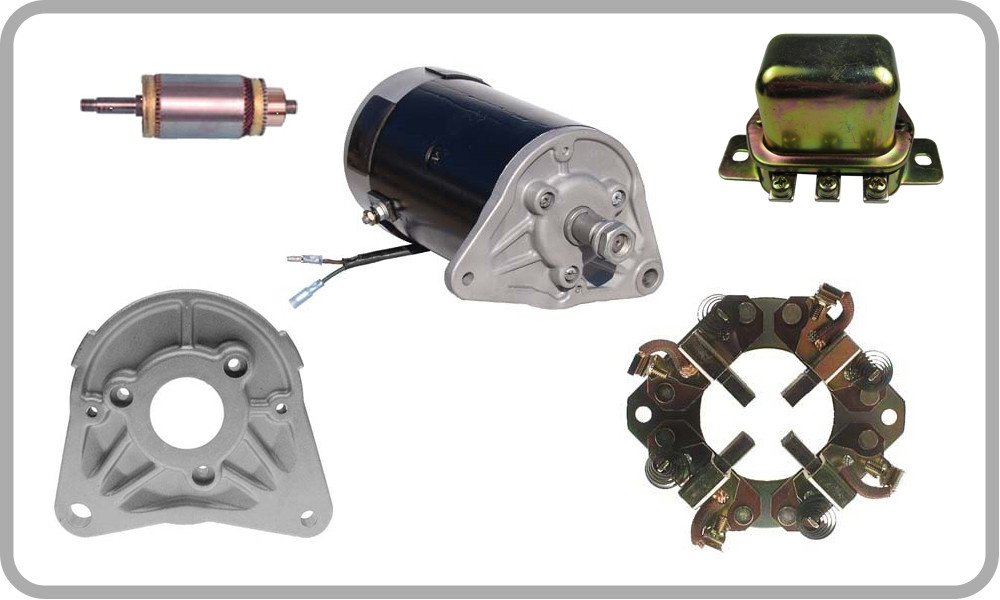
In a world increasingly reliant on electricity, a reliable power source isn't just a convenience; it's a necessity. Whether you’re weathering a storm, powering a remote job site, or enjoying the great outdoors, your Yamaha generator stands as a testament to dependable performance. But even the most robust machines need care, and that’s where understanding Yamaha Generator Accessories & Parts becomes indispensable. From routine maintenance to unexpected repairs, having the right components and tools ensures your power stays on, exactly when you need it most.
Maintaining your Yamaha generator means equipping it with the right parts to prolong its life and the best accessories to enhance its utility. This isn't just about fixing what's broken; it's about proactive care that saves you time, money, and frustration in the long run.
At a Glance: Keeping Your Yamaha Running Smoothly
- Genuine Parts are Paramount: Opt for authentic Yamaha parts for perfect fit, optimal performance, and warranty preservation.
- Maintenance is Key: Regular checks and timely replacement of wear-and-tear parts extend your generator's lifespan.
- Accessorize for Utility: From covers to parallel kits, accessories enhance safety, convenience, and functionality.
- Know Your Model: Always have your generator's model and serial number handy when sourcing parts.
- Safety First: Proper storage, ventilation, and fueling are non-negotiable for safe operation.
Why Your Yamaha Deserves the Best: A Foundation of Reliability
Yamaha has carved out a significant niche in the generator market, celebrated for its compact, lightweight design and unwavering reliability. As generatorstop.com notes, Yamaha's journey into generators began in 1958, building on its success with street bikes to offer devices suitable for households, businesses, and outdoor adventures. This legacy of engineering excellence means your Yamaha generator is designed for the long haul. But even the best-engineered machines require specific, high-quality inputs to continue performing at their peak.
This isn't about mere brand loyalty; it's about preserving the integrity of a precision instrument. Using the correct accessories and genuine replacement parts is the cornerstone of responsible generator ownership. It ensures your unit operates as intended by the engineers who designed it, providing consistent, clean power without compromise.
The Unsung Heroes: Why Genuine Yamaha Parts Matter
When a part on your generator needs replacing, it might be tempting to opt for a cheaper, aftermarket alternative. However, for critical components, genuine Yamaha parts are almost always the superior choice. Think of it this way: your generator is an intricate system where each component is designed to work in harmony.
Genuine Yamaha parts are manufactured to exact specifications, ensuring a perfect fit, optimal performance, and the durability you expect. They undergo rigorous testing to meet Yamaha’s stringent quality standards, meaning they're built to withstand the same demanding conditions as your original equipment. Using non-genuine parts can lead to:
- Subpar Performance: Incorrect dimensions or materials can reduce efficiency, increase fuel consumption, or even damage other components.
- Voided Warranty: Many manufacturers' warranties are invalidated if non-OEM (Original Equipment Manufacturer) parts are used for repairs.
- Safety Risks: Components like fuel lines or electrical parts that don't meet exact specifications could pose fire or shock hazards.
- Reduced Lifespan: Parts that wear out faster mean more frequent replacements and overall higher costs in the long run.
Investing in genuine comprehensive generator maintenance guide is an investment in your generator's future, ensuring it delivers reliable power for years to come.
Essential Yamaha Generator Accessories for Every User
Beyond replacement parts, a range of accessories can significantly enhance your generator's functionality, convenience, and safety. These aren't just add-ons; they're tools that help you get the most out out of your investment.
Enhancing Performance and Power
- Parallel Cables/Kits: For Yamaha's "Inverter Series" generators, parallel kits allow you to link two identical units to double your power output. This is invaluable when you need more wattage without investing in a much larger, heavier generator. Imagine needing to power a small RV and a few essential home appliances during an outage; linking two EF2000iS units can often get the job done more efficiently than a single, larger generator.
- Fuel Stabilizers: Not technically an accessory but a crucial additive. Modern ethanol-blended fuels can wreak havoc on small engines, especially during storage. A quality fuel stabilizer prevents fuel degradation, gumming, and corrosion, ensuring your generator starts reliably after periods of inactivity. This is a small expense that prevents huge headaches, as you can learn more about by understanding fuel stabilizers.
- High-Altitude Carburetor Kits: If you frequently operate your generator at elevations above 2,000 feet, a high-altitude kit adjusts the carburetor's air-fuel mixture for optimal performance, preventing rich-running conditions that can foul spark plugs and reduce power.
Maximizing Convenience and Usability
- Generator Covers: A custom-fit cover protects your investment from dust, dirt, moisture, and UV rays when not in use. This simple accessory extends the life of external components and keeps your generator looking good.
- Wheel Kits and Handle Kits: Many Yamaha portable generators are designed to be lightweight, but adding a wheel kit makes transport even easier, especially for heavier models. A sturdy handle provides a better grip for maneuvering.
- Extended Run Fuel Tanks: For some models, external fuel tanks are available, allowing for significantly longer run times without needing to refuel. This is perfect for overnight use or long workdays where continuous power is critical.
- Security Cables/Locking Devices: Given the value of a quality generator, security is paramount. A robust security cable allows you to chain your generator to a stationary object, deterring theft.
- Remote Start/Stop Kits: For ultimate convenience, especially in cold weather or during the night, a remote start kit allows you to power up or shut down your generator from a distance.
Prioritizing Safety
- CO Detectors: While Yamaha generators are designed for outdoor use, an indoor carbon monoxide detector is a non-negotiable safety accessory for any situation where a generator might be operated nearby. Always prioritize safety, and these devices are essential companions to your essential generator safety tips.
- Heavy-Duty Extension Cords: Using appropriately rated, outdoor-grade extension cords is crucial. Undersized cords can overheat, creating a fire hazard and damaging your appliances. Look for cords with a heavy gauge (lower gauge number means thicker wire) suitable for the loads you’ll be running.
- Transfer Switches/Inlet Boxes: For safely connecting your generator to your home's electrical system, a professionally installed manual transfer switch or generator inlet box is mandatory. This prevents backfeeding electricity into the utility grid, which can be deadly for utility workers.
Navigating Yamaha Generator Parts: What to Look For
When you need a replacement part, precision is key. Yamaha parts are often model-specific, and even a slight variation can lead to incompatibility.
Key Information You'll Need:
- Model Number: This is the most crucial piece of information. It's typically found on a decal on the generator's frame, usually near the fuel tank or control panel. (e.g., EF2000iS, EF6300SDE).
- Serial Number: While sometimes optional for common parts, the serial number can pinpoint exact manufacturing revisions, which might be critical for certain components.
- Part Name/Description: Knowing whether you need a spark plug, an air filter, or a carburetor assembly is important.
- Part Number (if known): If you're replacing a part you already have, finding its OEM part number (usually stamped on the part itself or listed in your owner's manual) guarantees an exact match.
Always consult your owner's manual first. It contains diagrams, part numbers, and detailed maintenance schedules specific to your model. If you've lost it, most Yamaha manuals are available for free download on their official website.
Common Wear-and-Tear Parts & When to Replace Them
Even with the best care, some parts are simply designed to be consumables. Knowing when to replace them is fundamental to effective maintenance.
- Spark Plugs: Critical for ignition. A fouled or worn spark plug can lead to hard starting, misfires, reduced power, and poor fuel efficiency. Inspect annually or every 100 operating hours; replace as needed or per manual.
- Air Filters: Protect the engine from dust and debris. A dirty air filter chokes the engine, reducing power and increasing fuel consumption. Check and clean frequently (every 50 hours or before each use in dusty conditions); replace annually or when cleaning doesn't restore its condition.
- Oil Filters (for models with spin-on filters): Ensures clean oil circulates through the engine. Replace every oil change or per manual's recommendation.
- Fuel Filters: Prevents sediment and contaminants from reaching the carburetor. A clogged fuel filter can starve the engine of fuel, leading to rough running or failure to start. Replace annually or if fuel delivery issues arise.
- Engine Oil: The lifeblood of your engine. Regular oil changes prevent premature wear. Use the recommended weight and type of oil (often 10W-30 or 10W-40 for general use). Change oil after the first 20 hours of use, then every 100 hours or annually.
- Carburetor (sometimes replaced as an assembly): If your generator sits for extended periods with old fuel, the carburetor can get gummed up, leading to starting problems, surging, or erratic operation. While individual components can sometimes be cleaned or replaced, a complete carburetor replacement is often the most reliable fix for severe issues.
- Recoil Starter Assembly: If the pull cord breaks or the spring mechanism fails, the entire assembly may need replacement.
- Fuses: Overloads can blow fuses, protecting the generator's internal circuits. Always replace with a fuse of the identical amperage rating.
Regularly checking these components as part of your generator maintenance routine can prevent minor issues from becoming major repairs.
Troubleshooting Basics: When a Part Might Be the Problem
Many common generator issues can be traced back to a specific part. Before panicking or calling a technician, consider these basic troubleshooting steps:
- Generator Won't Start:
- No Fuel/Old Fuel: Is the fuel tank full? Is the fuel fresh and treated with a stabilizer?
- Dirty Spark Plug: Remove, clean, or replace.
- Clogged Air Filter: Inspect and clean/replace.
- Fuel Shut-off Valve Closed: Ensure it's in the "on" position.
- Low Oil Sensor: Many Yamaha generators have a low oil shut-off. Check the oil level.
- Clogged Fuel Filter/Line: Check for obstructions.
- Engine Runs Roughly/Surges:
- Stale Fuel/Water in Fuel: Drain and replace with fresh, stabilized fuel.
- Dirty Carburetor: May need cleaning or replacement.
- Fouled Spark Plug: Inspect and replace.
- Dirty Air Filter: Check and replace.
- No Power Output:
- Circuit Breaker Tripped: Check the generator's AC circuit breaker and reset if needed.
- GFCI Outlet Tripped: Press the reset button on any GFCI outlets on the generator.
- Overload: Is the total wattage of your connected devices exceeding the generator's capacity? Remove some loads.
- Loose Wires/Connections: Visually inspect accessible wiring for damage or looseness. (Only if comfortable and generator is off).
For more complex electrical issues, it's always best to consult a qualified technician.
DIY vs. Professional: When to Call for Help
While many basic maintenance tasks (oil changes, spark plug replacements, air filter cleaning) are well within the capabilities of the average DIYer, some repairs are best left to professionals.
DIY Friendly Tasks:
- Oil changes
- Spark plug inspection and replacement
- Air filter cleaning/replacement
- Fuel filter replacement
- Battery charging (for electric start models)
- Adding fuel stabilizer
- Connecting parallel kits
- Installing wheel/handle kits
When to Call a Professional: - Engine Disassembly: If the issue requires opening up the engine casing (e.g., valve adjustments, piston issues).
- Electrical System Repairs: Issues with the alternator, voltage regulator, or complex wiring. These can be dangerous and require specialized diagnostic tools.
- Carburetor Overhauls: While you might replace a full carburetor, disassembling and rebuilding one requires specific knowledge and tools.
- Warranty Concerns: For repairs covered under warranty, using an authorized Yamaha service center is usually mandatory.
- Safety Concerns: If you're unsure, uncomfortable, or feel any repair could compromise your safety, call a professional.
Remember, a qualified Yamaha service technician has the specialized tools, training, and genuine parts to diagnose and repair your generator correctly, ensuring safety and preserving its longevity.
Smart Maintenance Practices for Longevity
Proactive care is the single best way to maximize the life and reliability of your Yamaha generator.
- Read Your Manual: This cannot be stressed enough. It’s the definitive guide to your specific model's maintenance schedule and requirements.
- Regular Oil Changes: Use the recommended oil type and adhere to the change intervals. This is arguably the most critical maintenance task.
- Fuel Management:
- Always use fresh, clean gasoline.
- Add a quality fuel stabilizer if storing the generator for more than 30 days.
- For extended storage (over 2-3 months), drain the fuel tank and run the carburetor dry.
- Air Filter Care: Keep it clean! A dirty air filter is a common culprit for poor performance.
- Spark Plug Inspection: Check for wear and proper gap regularly.
- Cleanliness: Keep the generator free of dust, dirt, and debris. Clean cooling fins ensure proper heat dissipation.
- Run It Regularly: Even if you don't use it frequently, start your generator for 15-20 minutes every month or two. This circulates oil, keeps seals lubricated, and prevents fuel system issues. This is a vital part of any power outage preparedness plan.
- Store Properly: Keep your generator in a dry, well-ventilated area, preferably covered, to protect it from the elements.
Finding the Right Fit: Part Numbers and Compatibility
The world of generator parts can sometimes feel like a labyrinth, but with the right approach, finding exactly what you need is straightforward.
Deciphering Part Numbers
Yamaha, like most manufacturers, uses alphanumeric part numbers. These unique identifiers help ensure you're getting the correct component. Don't rely solely on visual inspection or generic descriptions; always match the part number. Many parts will have the number stamped or printed directly on them.
Leveraging Diagrams and Exploded Views
Most reputable online parts retailers and Yamaha's own parts look-up tools provide "exploded view" diagrams. These are invaluable. You can often navigate by your generator's model number, then select a section (e.g., "carburetor assembly," "engine casing," "electrical components"). These diagrams show all the individual parts, their positions, and their corresponding part numbers. This visual aid is incredibly helpful for confirming you've identified the right component before ordering.
Cross-Compatibility: A Cautious Approach
While some generic parts might fit across various brands or models, proceed with extreme caution. As discussed, genuine Yamaha parts ensure optimal function. If you must consider an alternative (e.g., if an OEM part is back-ordered indefinitely), ensure it explicitly states compatibility with your exact Yamaha model and comes from a reputable third-party manufacturer known for quality. Never guess.
For specific models like the popular choosing the right portable generator units, compatibility information is usually readily available.
Dispelling Myths About Aftermarket Parts
The debate between OEM (Original Equipment Manufacturer) and aftermarket parts is common in many industries. Here's a realistic look at aftermarket options for your Yamaha generator:
Myth 1: Aftermarket parts are always inferior.
- Reality: While many cheap aftermarket parts exist and should be avoided for critical components, some reputable third-party manufacturers produce high-quality parts that meet or exceed OEM specifications. These are often specialized (e.g., a specific type of spark plug or a heavy-duty air filter). The key is "reputable."
Myth 2: Aftermarket parts will save me a lot of money without compromise. - Reality: Upfront, aftermarket parts often cost less. However, if they fail prematurely, cause damage to other components, or void your warranty, the long-term cost can be significantly higher. For items like oil filters, spark plugs, or critical engine components, the marginal saving often isn't worth the risk.
Myth 3: Any part that "looks the same" will work. - Reality: Looks can be deceiving. Small differences in material composition, internal tolerances, thread pitch, or electrical resistance can have significant consequences. For example, an air filter that's slightly off-size might allow unfiltered air into the engine.
Our Recommendation: For crucial engine components (carburetor, starter, voltage regulator, piston), stick with genuine Yamaha parts. For consumables like spark plugs, air filters, or oil filters, you might find high-quality aftermarket equivalents from trusted brands, but always double-check compatibility and reputation. For accessories like covers or security cables, aftermarket options are generally fine as they don't impact engine performance or safety directly.
Making Your Purchase: Trusted Sources for Yamaha Parts & Accessories
Knowing what you need is half the battle; the other half is knowing where to get it reliably.
- Authorized Yamaha Dealers: Your local Yamaha power products dealer is often the best source. They have direct access to genuine parts, knowledgeable staff, and can offer installation services. They can look up parts by your serial number, ensuring accuracy.
- Official Yamaha Website: Many national Yamaha websites offer online parts catalogs and ordering directly or through authorized online partners. This is a reliable way to ensure you're getting genuine parts.
- Reputable Online Retailers: Websites specializing in small engine parts, outdoor power equipment, or general generator supplies often carry a wide range of Yamaha parts and accessories. Look for sites with detailed part diagrams, clear return policies, and positive customer reviews. Examples include large online marketplaces or specialized power equipment stores. Always verify seller reputation and ensure they specify "Genuine Yamaha Part" if that's what you're seeking.
- Parts Catalogs/Service Manuals: If you have the original parts catalog or service manual for your specific Yamaha generator, it will list all the OEM part numbers, making ordering much simpler.
When ordering online, always cross-reference part numbers with your owner's manual or an official Yamaha parts diagram. Taking a moment to double-check can save you the hassle of returns and delays. You can also Explore Yamaha generators directly from trusted sources.
Beyond the Basics: Upgrades and Enhancements
Once you've mastered the essentials of maintenance and sourcing replacement parts, you might consider upgrades that can further optimize your generator experience.
- Improved Exhaust Systems: While less common for consumer-grade generators, specialized exhaust kits can sometimes reduce noise levels, though this often requires professional installation and careful consideration of backpressure.
- Smart Monitoring Systems: Some advanced accessories allow you to monitor your generator's status (fuel level, runtime, maintenance reminders) via a smartphone app, providing greater control and peace of mind.
- Enhanced Fuel Filtration: For generators used in extremely dusty or harsh environments, additional inline fuel filters can offer an extra layer of protection against contaminants.
These upgrades aren't for everyone, but they demonstrate the breadth of customization possible for those who truly want to optimize their power solution.
Your Power, Your Responsibility: A Confident Next Step
Owning a Yamaha generator means having a powerful tool at your disposal, a beacon of reliability when the grid goes dark or the job calls for remote power. But like any sophisticated machinery, its continued performance rests on your commitment to proper care and maintenance.
By understanding the importance of genuine Yamaha Generator Accessories & Parts, knowing which consumables to replace, and familiarizing yourself with basic troubleshooting, you're not just maintaining a machine; you're safeguarding your investment and ensuring uninterrupted power. Take the time to consult your manual, stock up on essential spares, and choose your accessories wisely. With a bit of proactive effort, your Yamaha generator will remain a dependable workhorse, ready to power your life, work, and adventures for many years to come.