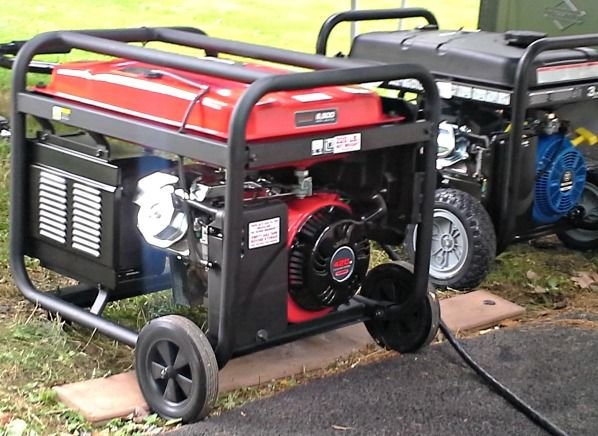
In an increasingly unpredictable world, reliable power isn't a luxury—it's a necessity. From sudden blackouts that disrupt daily life to seeking energy independence for off-grid adventures, a quality generator is your safeguard. If you're looking for dependability, innovation, and quiet operation, then delving into this Yamaha Generator Buying Guide & Selection is your essential first step. Yamaha generators have carved out a formidable reputation, particularly in the portable and inverter categories, offering robust solutions for everything from powering sensitive electronics to keeping critical home appliances running.
At a Glance: Your Yamaha Generator Quick Guide
- Yamaha's Forte: Primarily excels in portable and inverter generator technology, known for quiet, clean power.
- Key Decision: Match generator type and size (wattage) to your specific power needs (camping, RV, home backup).
- Calculating Wattage: List all essential devices, sum their running watts, and account for starting watts (often higher).
- Inverter Advantage: Yamaha's inverters offer superior fuel efficiency, quieter operation, and clean power for sensitive electronics.
- Fuel Types: Most Yamaha portables run on gasoline; some offer dual-fuel (gasoline/propane) flexibility.
- Safety First: Always operate generators outdoors, 20 feet from your home, with CO detectors nearby. Consider a transfer switch for home backup.
- Must-Have Features: Look for low-oil shutoff, CO shutoff, electric start, and parallel capability.
Why Yamaha? The Power of Proven Reliability
When you choose a power product, you're not just buying a machine; you're investing in peace of mind. Yamaha has a long-standing heritage of engineering excellence, applying its expertise from motorsports to marine engines to its power products. This translates into generators renowned for their robust construction, consistent performance, and exceptional durability.
What truly sets Yamaha apart in the generator market, especially in the portable and inverter categories, is their unwavering commitment to:
- Quiet Operation: Yamaha generators, particularly their inverter models, are celebrated for running significantly quieter than many competitors. This is a game-changer for camping, tailgating, or even residential backup.
- Clean Power: Their inverter technology produces "clean" sine wave power, which is crucial for safely running sensitive electronics like laptops, smartphones, and medical devices without risk of damage.
- Fuel Efficiency: Smart engine management systems and inverter technology allow Yamaha generators to throttle down when power demand is low, saving fuel and extending run times.
- Portability & Design: Thoughtful design, often with compact footprints and user-friendly features, makes Yamaha generators easy to transport and operate.
Understanding Your Power Needs: It Starts with You
Before you even consider models or features, the most critical step in this Yamaha Generator Buying Guide is to honestly assess what you need to power. Are you looking for a small boost for a weekend camping trip, or robust backup to keep your home comfortable during an extended outage?
Calculating Wattage: From Essentials to Comforts
Generators are rated by their wattage output. To choose the right size, you need to identify all the devices you plan to power simultaneously. Don't forget that many appliances have two wattage ratings:
- Running Watts: The power an appliance needs to operate continuously.
- Starting Watts (Surge Watts): The brief burst of extra power needed to start motor-driven appliances (like refrigerators, air conditioners, or sump pumps). This can be 2-3 times their running wattage.
Here's a simple three-step process to calculate your required wattage: - List Your Essentials: Walk through your home, RV, or campsite and list every appliance you absolutely need to run during an outage.
- Find Running & Starting Watts: Look for wattage labels on your appliances. If you can't find them, use the estimates provided below.
- Calculate Total Wattage:
- Sum the running watts of all devices you'll operate simultaneously.
- Identify the single appliance with the highest starting wattage.
- Add this highest starting wattage to your total running watts. This gives you a good estimate of the minimum generator size you'll need.
For instance, if your total running watts are 3,000W, and your refrigerator has the highest starting wattage at 1,500W, you'd need a generator that can deliver at least 4,500W surge power. It's always wise to add a 10-20% buffer to your total for future needs or unexpected surges. For a comprehensive look, understanding how to properly size a generator can save you from frustration and ensure your power needs are met efficiently.
Common Appliance Wattage Estimates (for your planning):
| Appliance | Running Watts (W) | Starting Watts (W) (if applicable) |
| :-------------------- | :---------------- | :--------------------------------- |
| Refrigerator | 500-1,000 | 1,500-2,000 |
| Microwave | 700-1,500 | - |
| Coffee Maker | 600-1,200 | - |
| Sump Pump | 750-1,500 | 1,500-3,000 |
| Window AC (10,000 BTU)| 1,000-1,500 | 2,000-3,000 |
| Portable Heater | 750-1,500 | - |
| Television (42-inch) | 200-300 | - |
| Desktop Computer | 150-300 | - |
| Lights (per bulb) | 5-80 | - |
| Ceiling Fan | 65-175 | - |
| Dryer | 2,000-6,000 | 3,000-9,000 |
| Water Heater | 4,000-5,000 | - |
A typical home backup setup might require 5,000-7,000 running watts, while a full home often needs 15,000-20,000 watts, though this is usually for standby units, not Yamaha's typical offerings.
Navigating Yamaha's Generator Landscape: Types & Their Best Fit
Yamaha primarily focuses its expertise on portable and inverter generators, which are ideal for a vast range of personal and light-commercial applications. Understanding the differences between these types is crucial for making the right choice.
Portable Generators: The Go-Anywhere Workhorses
Standard portable generators are often the most straightforward and budget-friendly option for general power needs.
- How They Work: These units generate power directly from their engine at a fixed RPM, offering a continuous power output. They typically run on gasoline, delivering robust power suitable for tools, some appliances, and general backup.
- Yamaha's Offerings: While Yamaha is more famous for its inverters, they also offer robust portable models designed for durability and consistent power delivery, often featuring a rugged frame and a range of outlets.
- Best For: Job sites, powering essential tools, general home backup where noise isn't a primary concern, and situations where you need raw power for resistive loads.
- Pros: Generally lower upfront cost, high power output for their size, capable of running multiple appliances simultaneously. For many, the advantages of portable generators make them an irresistible choice for diverse applications.
- Cons: Tend to be louder, less fuel-efficient, and produce "dirty" power unsuitable for sensitive electronics without an external voltage regulator.
Inverter Generators: Quiet Power, Smart Fuel
Yamaha truly shines in the inverter generator market, setting benchmarks for quiet operation and clean power.
- How They Work: Inverter generators use a sophisticated alternator to produce AC power, then convert it to DC, and finally "invert" it back to clean AC power at a steady frequency. This multi-step process results in a purer sine wave, ideal for sensitive electronics. Their engines can also throttle up and down based on power demand, significantly improving fuel efficiency and reducing noise.
- Yamaha's Offerings: This is where Yamaha excels. Models like the EF2000iS, EF2200iS, and EF6300iS are legendary for their whisper-quiet operation, exceptional fuel economy, and reliable clean power output. They often feature "Smart Throttle" technology for optimal performance. You can often connect two smaller inverter generators in parallel to double your power output.
- Best For: Camping, RVing, tailgating, remote power for electronics, light home backup, and any situation where low noise and fuel efficiency are paramount. Understanding what makes inverter generators unique is key to appreciating their value.
- Pros: Exceptionally quiet (50-60 dB range, comparable to normal conversation), highly fuel-efficient, produces clean power for sensitive electronics, often more compact and lighter.
- Cons: Generally more expensive than comparable standard portable generators, and their maximum power output is sometimes lower per unit.
Other Generator Types (A Quick Overview)
While Yamaha's core generator offerings are portable and inverter, it's helpful to understand other types in the broader market:
- Home Standby Generators: These are permanently installed, hardwired systems that automatically kick on when grid power fails. They're typically large (5,000-20,000 watts), run on natural gas or propane, and require professional installation. Yamaha does not manufacture home standby generators.
- Solar Generators (Portable Power Stations): These are essentially large battery packs charged by solar panels or a wall outlet. They're quiet, emissions-free, and safe for indoor use, but offer limited runtime for larger loads. They are more akin to rechargeable power banks than traditional fuel-powered generators.
Fueling Your Choice: Efficiency & Availability
The type of fuel your Yamaha generator uses significantly impacts its cost of operation, storage requirements, and environmental footprint. Yamaha generators primarily utilize gasoline, with some models offering dual-fuel capabilities. Exploring different fuel options available is crucial for long-term planning.
- Gasoline:
- Pros: Most common and readily available fuel for portable generators. Good energy density.
- Cons: Has a limited shelf life (3-6 months without stabilizer, potentially longer with), requiring fresh fuel and stabilizer to prevent carburetor clogs. More flammable than diesel. Emits more pollutants.
- Yamaha Context: The primary fuel for almost all Yamaha portable and inverter generators.
- Propane (LPG):
- Pros: Cleaner burning than gasoline, longer shelf life (years), easily storable in tanks, safer to handle. Can connect to larger external tanks for extended run times.
- Cons: Less energy-dense than gasoline, meaning you'll burn more propane for the same power output. Can be slightly less powerful. Requires external tanks.
- Yamaha Context: Some Yamaha portable generators offer dual-fuel options, allowing them to run on both gasoline and propane, providing excellent versatility.
- Diesel:
- Pros: More fuel-efficient than gasoline or propane, longer storage life than gasoline, lower flammability risk.
- Cons: Diesel generators are generally heavier, more expensive, and typically not part of Yamaha's portable/inverter lineup for consumer use.
- Natural Gas:
- Pros: Unlimited supply when connected to a home's natural gas line, no need for fuel storage.
- Cons: Only for home standby generators, which Yamaha does not produce. Less energy-efficient than other fuels.
Essential Features to Look For in a Yamaha Generator
Beyond core power output and type, specific features can dramatically enhance your generator's safety, convenience, and longevity. When evaluating Yamaha models, keep these in mind:
- Automatic CO Shutoff: This is a life-saving feature. If the generator detects dangerous levels of carbon monoxide (CO), it automatically shuts down. Look for ANSI/UL2201 or ANSI/PGMA G300 certifications. Many newer Yamaha models incorporate advanced CO detection technology.
- Low-Oil Shutoff: An absolute must-have. This system automatically turns off the engine if the oil level drops below a safe minimum, preventing severe engine damage from running dry.
- Electric Start: Say goodbye to frustrating pull-starts. An electric start (usually push-button) makes firing up your generator effortless. Just remember to keep the battery charged. For portable models, the battery might be sold separately.
- Fuel Gauge: Simple but incredibly useful, a fuel gauge allows you to quickly monitor remaining fuel and plan for refueling without guesswork.
- Noise Level: As discussed, Yamaha is a leader here. Check the decibel (dB) rating. 50-60 dB is very quiet (conversation level), while 70+ dB is noticeably loud.
- Multiple Outlets: Ensure the generator has enough and the right types of outlets (e.g., 120V household outlets, 120V/240V twist-lock outlets for larger appliances, DC outlets for charging batteries). Distributing the load across multiple outlets is safer.
- Parallel Capability: A fantastic feature on many Yamaha inverter generators. It allows you to link two smaller, lighter inverter units together to effectively double your power output without buying one large, heavy generator.
- Inverter Technology (Clean Power): If you plan to power sensitive electronics (laptops, TVs, medical equipment), an inverter generator from Yamaha is essential to prevent damage.
- Portability Features: Wheels, folding handles, and a compact design make moving and storing your generator much easier.
Safety First: Non-Negotiable Rules for Generator Operation
No matter how high-quality your Yamaha generator is, safe operation is paramount. Ignoring safety guidelines can lead to carbon monoxide poisoning, electrocution, fire, or severe property damage. Understanding essential generator safety practices is not just a recommendation; it's a requirement for anyone operating a generator.
- ALWAYS Operate Outdoors: Never, ever run a gasoline or propane generator in an enclosed space—not a garage, shed, screened porch, or even close to open windows or doors. Carbon monoxide (CO) is an odorless, colorless, deadly gas that can quickly accumulate.
- Maintain Distance: Place your generator at least 20 feet away from your home or any other building, directing the exhaust away from structures.
- Install CO Detectors: Ensure your home has working carbon monoxide detectors on every level and near sleeping areas. Test them regularly.
- Use a Transfer Switch for Home Backup: To connect your generator to your home's electrical system, you MUST use a transfer switch (manual or automatic) installed by a licensed electrician. This prevents "backfeeding"—sending power back into the utility grid, which can electrocute utility workers and damage your appliances.
- Proper Fuel Handling:
- Turn off and allow the generator to cool completely before refueling. Gasoline is highly flammable and vapors can ignite on hot surfaces.
- Store fuel in approved containers in a well-ventilated area away from living spaces and ignition sources.
- Use a fuel stabilizer when storing gasoline for extended periods to prevent engine issues.
- Protect from Elements: Shield your portable generator from rain and snow with a generator cover or canopy designed for outdoor use. Never operate it directly in wet conditions without proper protection.
- Extension Cord Caution: When using extension cords for individual appliances, ensure they are heavy-duty (rated for outdoor use), properly grounded (3-prong), and can handle the appliance's wattage. Avoid running cords under carpets or through windows, as this can create fire hazards.
Connecting Your Yamaha Generator: Seamless Power Integration
How you connect your generator to your devices or home is just as important as the generator itself.
The Extension Cord Approach (For Small Loads)
For basic use, like camping or powering a few individual appliances, heavy-duty outdoor-rated extension cords are sufficient. Plug your appliances directly into the generator's outlets. Ensure the cords are rated for the wattage of the devices they power and avoid overloading any single cord or outlet.
Manual Transfer Switches & Interlock Kits (For Home Backup)
If you plan to power essential circuits in your home (e.g., refrigerator, furnace, well pump, overhead lights), a more robust and safer solution is required:
- Manual Transfer Switch: This device is installed next to your home's main electrical panel by a licensed electrician. It allows you to safely switch specific home circuits from utility power to generator power. It's much safer and more convenient than running multiple extension cords. Most require a 220-volt input, necessitating a 5,000-watt or larger generator.
- Interlock Kit: A less expensive alternative to a transfer switch, an interlock kit is a mechanical device installed on your main electrical panel. It physically prevents the main utility breaker and the generator breaker from being ON at the same time, preventing backfeeding. This allows your portable generator to power circuits directly through your home's panel. Professional installation (around $100-$200 less than a transfer switch) is still highly recommended for both safety and code compliance.
Always consult a licensed electrician for any permanent generator connection to your home's electrical system. This ensures safety, compliance with local codes, and proper functionality.
Maintaining Your Investment: Keep Your Yamaha Running Strong
A Yamaha generator is built to last, but like any engine, it requires regular maintenance to perform optimally and ensure longevity.
- Read the Owner's Manual: This is your primary resource for specific maintenance schedules, oil types, and troubleshooting.
- Check Oil Levels: Before each use, especially on gasoline models, check the engine oil level. Change oil according to the manufacturer's recommendations (often after the first 20-25 hours, then every 50-100 hours).
- Air Filter: Clean or replace the air filter regularly, especially if operating in dusty conditions. A dirty filter can choke the engine and reduce efficiency.
- Spark Plug: Inspect and clean the spark plug periodically. Replace it if it's fouled or worn.
- Fuel System:
- Stabilizer: Always use a fuel stabilizer when storing gasoline for more than a month to prevent varnish buildup and corrosion.
- Drain Fuel: For very long-term storage (e.g., off-season), it's best to drain the fuel tank and run the carburetor dry to prevent issues.
- Battery Check (for Electric Start): If your generator has an electric start, periodically check the battery's charge and connections.
- General Cleaning: Keep the generator clean, clear of debris, and ensure cooling fins are free from obstruction.
Choosing the Right Yamaha: A Scenario-Based Approach
Let's put this Yamaha Generator Buying Guide into practical scenarios to help you visualize the best fit.
Scenario 1: The Weekend Adventurer (Camping, Tailgating, Light Recreation)
- Needs: Quiet power for charging phones/laptops, running a small fan, perhaps a portable projector or small blender.
- Yamaha Recommendation: A compact Yamaha inverter generator, such as the EF2000iS or EF2200iS. They're incredibly quiet, fuel-efficient, lightweight, and produce clean power perfect for sensitive electronics. Their parallel capability means you can add another unit later if your needs grow.
Scenario 2: The RV Enthusiast (Motorhome, Travel Trailer)
- Needs: Power for RV air conditioning (especially 13,500-15,000 BTU units), microwave, TV, and general appliances.
- Yamaha Recommendation: A mid-to-high wattage Yamaha inverter generator, like the EF3000iS/EF4500iS or the powerful EF6300iS. These offer enough wattage for most RV needs, with the added benefit of quiet operation that won't disturb campground neighbors. The EF6300iS, with its higher output, can often handle a single RV AC unit comfortably. Consider parallel kits for even more power.
Scenario 3: Emergency Home Backup (Essential Appliances)
- Needs: Keeping a refrigerator, freezer, some lights, a well pump/sump pump, and perhaps a small space heater running during an outage.
- Yamaha Recommendation: A larger Yamaha inverter generator (EF6300iS) or a robust portable model (if Yamaha offers one in the 5,000-7,000 watt range). Pair this with a manual transfer switch or an interlock kit installed by an electrician for safe and convenient power distribution to your essential home circuits.
Scenario 4: The Tradesperson / Job Site Power
- Needs: Running power tools (saws, drills, compressors), lights, and charging batteries on a construction site.
- Yamaha Recommendation: A durable, high-output Yamaha portable generator. These units are built for tough environments, providing consistent power for demanding tools. Look for models with GFCI-protected outlets for added safety on wet job sites.
Yamaha's Edge: What Sets Them Apart
Beyond the technical specifications, choosing a Yamaha generator means investing in a legacy of excellence.
- Refined Engineering: Yamaha's engines are renowned for their reliability, stemming from decades of experience in diverse power applications. This means fewer breakdowns and more consistent performance.
- Acoustic Design: Yamaha has invested heavily in noise reduction technologies, making their inverter generators some of the quietest on the market. This thoughtful design minimizes disturbance, a significant benefit for users and their neighbors.
- Advanced Inverter Technology: Their inverter models consistently deliver clean, stable power, protecting your valuable electronics from voltage fluctuations and surges.
- Durability and Longevity: With proper maintenance, a Yamaha generator is a long-term investment, built to withstand the rigors of regular use and provide dependable power for years.
- Fuel Efficiency: Technologies like "Smart Throttle" optimize engine speed based on load, leading to impressive fuel economy and longer run times between refills.
Frequently Asked Questions (FAQs)
How long can a Yamaha generator run continuously?
Most Yamaha portable and inverter generators are designed for continuous operation for several hours, often 8-10 hours at half load on a single tank. However, it's generally recommended to give the generator a break every 10-12 hours to cool down and allow for refueling and oil checks. Always refer to your specific model's manual for recommended run times and maintenance intervals.
Can I run my Yamaha generator in the rain?
No, you should never run a generator directly exposed to rain, snow, or wet conditions. Water and electricity are a dangerous combination. However, you can operate it outdoors during inclement weather if it's protected by a specially designed generator tent, cover, or canopy that allows for proper ventilation and exhaust escape, while keeping the unit dry.
What kind of oil does a Yamaha generator use?
Yamaha generators typically use 10W-30 or 10W-40 weight oil. The specific type and viscosity (e.g., synthetic vs. conventional) can vary depending on the model and ambient temperature. Always consult your owner's manual for the precise oil recommendations for your Yamaha generator.
Is a Yamaha generator worth the extra cost?
For many, yes. While Yamaha generators might have a higher upfront cost than some budget brands, the investment often pays off in terms of reliability, quieter operation (especially for inverters), superior fuel efficiency, clean power output for sensitive electronics, and overall durability. Their reputation for quality and strong resale value also adds to their appeal.
Your Next Step: Finding Your Perfect Power Partner
Choosing the right generator means understanding your needs, weighing the options, and prioritizing safety. With this comprehensive Yamaha Generator Buying Guide, you're now equipped with the knowledge to make an informed decision. Whether you're preparing for the unexpected or powering your next adventure, a Yamaha generator offers a blend of innovation, quiet power, and legendary reliability.
Ready to explore your options and find the ideal power solution? Take the next step to secure your power independence: Explore Yamaha generators.