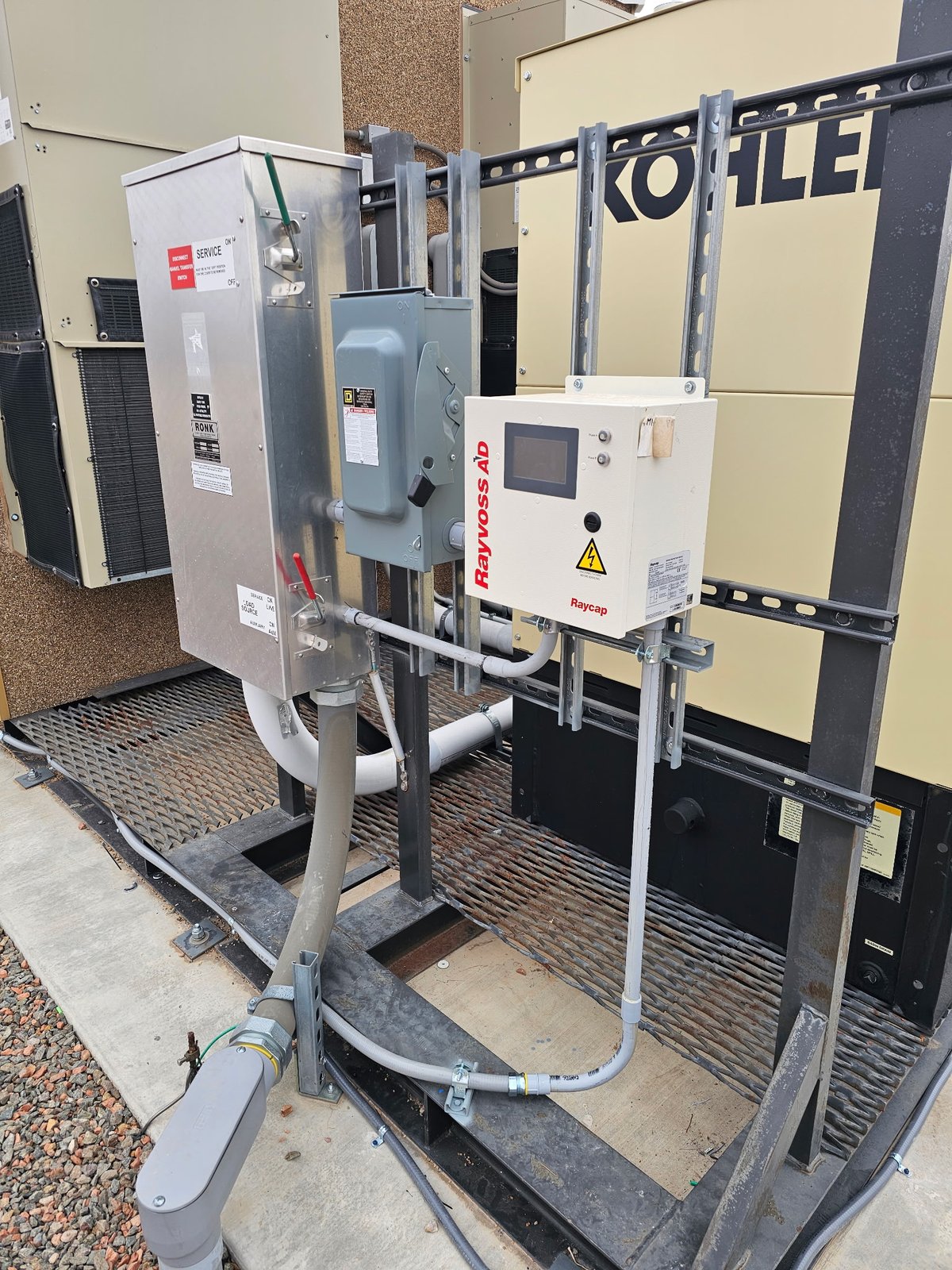
Your Yamaha generator is more than just a piece of equipment; it's your reliable partner for power, whether you're off-grid, tailgating, or navigating an unexpected outage. These machines are engineered for performance and durability, but like any finely tuned tool, they thrive on consistent attention. Mastering Yamaha Generator Maintenance & Care isn't just about preventing breakdowns; it’s about ensuring that when you need power most, your generator starts reliably, runs efficiently, and lasts for years.
The good news? Keeping your Yamaha in peak condition is surprisingly straightforward. A little proactive care goes a long way in safeguarding your investment and your peace of mind.
At a Glance: Your Yamaha Generator Maintenance Essentials
- Always Read Your Manual: It’s your generator’s ultimate authority for model-specific details and safety.
- Prioritize Safety: Especially with fuel handling.
- Change Oil Regularly: It’s the lifeblood of your engine.
- Keep It Clean: Air filter, fuel filter, spark plug, and muffler net are crucial.
- Manage Fuel Properly: Prevent degradation, especially for storage.
- Store Smart: Tailor your storage approach to how often you use your generator.
- Listen to Your Machine: Address unusual noises or performance dips quickly.
Your Manual: The Undisputed First Authority
Before you even think about grabbing a wrench, grab your owner's manual. Seriously. While this guide provides comprehensive, general advice for Yamaha Generator Maintenance & Care, your specific model's manual is the definitive source for maintenance schedules, fluid types, torque specifications, and critical safety warnings. It's not just a suggestion; it's a foundational step to proper care, preventing potential damage, accidents, or voiding your warranty. Different Yamaha models, from the compact EF2000iS inverter to a robust industrial unit, will have unique quirks and requirements.
Why Regular Maintenance Matters for Your Yamaha
Yamaha generators have earned their reputation for reliability, efficiency, and high performance. They’re designed to be robust workhorses, whether you're using an inverter type for quiet camping, a portable model for job sites, or an industrial unit for heavy-duty backup power. This inherent quality is a great starting point, but it's not a license to neglect.
Consistent Yamaha Generator Maintenance & Care ensures several critical benefits:
- Unwavering Reliability: Imagine a power outage, and your generator refuses to start. Regular maintenance ensures it’s always ready.
- Extended Lifespan: Proactive care prevents premature wear and tear, significantly increasing how long your generator serves you.
- Optimal Performance: A well-maintained engine delivers consistent power output and fuel efficiency, meaning less stress on the machine and your wallet.
- Enhanced Safety: Worn parts, clogged filters, or old fuel can pose safety risks. Maintenance catches these issues before they become problems.
- Preserved Resale Value: A generator with a documented maintenance history holds its value far better.
If you're looking to dive deeper into the world of Yamaha's offerings and their cutting-edge features, you can Learn more about Yamaha generators and see why they stand out in a crowded market.
Safety First: Fuel & Fire Prevention
Working with gasoline-powered equipment demands utmost respect for safety. Gasoline is incredibly powerful, which also makes it incredibly dangerous if mishandled.
Crucial Gasoline Safety Warnings:
- Highly Flammable & Explosive: Treat gasoline with extreme caution. Vapors are especially dangerous.
- Ventilation is Key: Always handle gasoline in a well-ventilated area, preferably outdoors. Never refuel indoors.
- Eliminate Ignition Sources: Keep gasoline away from open flames, sparks, pilot lights, and any heat sources. No smoking while handling fuel.
- Proper Storage: Store gasoline in approved, sealed containers, away from living areas and direct sunlight.
- Spill Prevention: Be meticulous when pouring or draining fuel. Clean up spills immediately.
Remember, gasoline also degrades over time. Stale fuel can gum up carburetors, making starting difficult or even impossible. This degradation is a primary culprit behind many "my generator won't start" woes. For generators that sit for extended periods, understanding fuel stabilizers and using them correctly is a game-changer.
Your Maintenance Check-Up Schedule: Staying Ahead
Think of your generator's maintenance as a health regimen. There are daily habits, monthly check-ups, and annual deep dives. Sticking to a schedule is paramount for Yamaha Generator Maintenance & Care.
Before Each Use
- Check Engine Oil Level: Ensure it's between the "add" and "full" marks. Top off with the recommended oil type if needed.
- Inspect Air Cleaner Element: A quick visual check for excessive dust or debris.
- Visual Inspection: Look for loose bolts, damaged cords, fuel leaks, or any obvious wear and tear.
Every 50 Hours / Monthly (or seasonally for infrequent users)
This is where the core preventative Yamaha Generator Maintenance & Care happens.
- Engine Oil Change: Replace old oil with fresh, clean oil of the specified type and viscosity (often 10W-30 or 5W-30, but check your manual!).
- Air Cleaner Element: Clean or replace if severely clogged.
- Spark Plug: Inspect, clean, and adjust the gap. Replace if worn.
- Muffler Wire Net: Inspect and clean any carbon buildup.
Every 100-200 Hours / Annually
These deeper checks are crucial, especially if your generator gets heavy use.
- Fuel Strainer: Inspect and clean.
- Fuel-Tank Filter: Inspect and clean.
- Fuel Line: Inspect for cracks, leaks, or deterioration.
- Valve Clearance: This is typically a professional service item, as it requires specialized tools and knowledge.
- Thorough Cleaning: Wipe down the exterior, remove any built-up grime from cooling fins.
The Lifeblood: Engine Oil Checks and Changes
The engine oil is arguably the single most critical component in ensuring your Yamaha generator's longevity. It lubricates moving parts, reduces friction and heat, and cleans the engine.
Checking Your Oil:
- Level Surface: Ensure the generator is on a flat, stable surface.
- Engine Off & Cool: Always check oil when the engine is off and has cooled down for a few minutes.
- Locate Dipstick/Fill Cap: Unscrew and remove the dipstick or oil fill cap.
- Wipe & Re-insert: Wipe the dipstick clean, then re-insert it without screwing it in (or screw it in fully, depending on your model – check your manual).
- Check Level: Remove it again and check the oil level. It should fall within the marked range.
- Top Off if Needed: If low, slowly add the recommended oil type (e.g., SAE 10W-30 for general use, consult manual for specific temperature ranges) until the correct level is reached.
Changing Your Oil:
Your first oil change is typically recommended after the initial 20 hours of operation to flush out break-in contaminants. After that, follow your manual's schedule, usually every 50-100 hours or annually, whichever comes first. - Warm Engine: Run the generator for a few minutes to warm the oil, making it flow more easily.
- Gather Supplies: Have new oil, a drain pan, a funnel, and a wrench ready.
- Locate Drain Plug: Place the drain pan underneath. Remove the oil drain plug (and sometimes the oil fill cap to aid flow).
- Drain Completely: Allow all the old oil to drain out.
- Replace Plug: Reinstall the drain plug securely.
- Add New Oil: Using a funnel, pour in the recommended amount and type of fresh engine oil.
- Check Level: Re-check the oil level as described above and adjust if necessary.
- Dispose Properly: Take your used oil to an authorized recycling center.
Breathing Easy: Air Filter & Fuel System Care
A generator's engine needs a constant supply of clean air and fuel to run properly. Neglecting these areas is a common cause of poor performance and starting issues.
Air Cleaner Element
The air filter prevents dust and debris from entering the engine's combustion chamber, which can cause severe damage.
- Locate & Remove: Find the air filter housing (usually a plastic cover with clips or screws). Remove the element.
- Inspect: Look for tears, excessive dirt, or oil saturation.
- Cleaning Foam Elements: Wash foam elements in warm, soapy water. Rinse thoroughly, squeeze dry (do not wring), and allow to air dry completely. Some manuals recommend lightly oiling the foam with engine oil after drying.
- Cleaning Paper Elements: Gently tap paper elements to dislodge loose dirt, or use compressed air blown from the inside out. Never use water.
- Replace: If the filter is torn, heavily saturated with oil/dirt that won't clean, or appears excessively worn, replace it.
Fuel-Tank Filter & Fuel Strainer
These filters act as the first line of defense against contaminants in your fuel.
- Fuel-Tank Filter: This is often a small screen located inside the fuel tank's fill opening. Gently remove it (sometimes requires pliers) and clean any visible debris with a soft brush or compressed air.
- Fuel Strainer: Typically located near the fuel cock or carburetor. Follow your manual's instructions for removal and cleaning. It's usually a small screen or cup that can be rinsed.
- Importance: Keeping these clean ensures a steady, pure fuel supply to the carburetor, which is especially important for sensitive inverter models. If you're pondering how to pick the right generator for your needs, consider the ease of maintenance for fuel systems.
Sparking Life: Inspecting and Cleaning the Spark Plug
The spark plug provides the critical spark that ignites the air-fuel mixture, getting your engine running. A fouled or damaged spark plug can lead to hard starting, misfires, and reduced power.
- Remove: Disconnect the spark plug cap. Use a spark plug wrench to carefully unscrew and remove the plug.
- Inspect:
- Tip Color: A light tan or grayish-white deposit indicates good combustion. Black, oily deposits suggest too much oil, while white, blistered deposits mean overheating.
- Electrode Wear: Check the center and side electrodes for excessive wear or erosion.
- Cracks: Look for any cracks in the ceramic insulator.
- Clean: If dirty, gently clean the electrodes with a wire brush or fine-grit sandpaper. Avoid harsh scraping that could damage the porcelain.
- Gap: Use a spark plug gapping tool to ensure the gap between the electrodes is set to your manual's exact specification. This is crucial for a strong spark.
- Replace: If the plug is heavily worn, damaged, or cannot be properly cleaned/gapped, replace it with the exact model recommended by Yamaha.
- Reinstall: Screw the new/cleaned plug in by hand to avoid cross-threading, then tighten with a wrench to the specified torque (do not overtighten). Reconnect the spark plug cap securely.
Quiet Performer: Muffler Wire Net Cleaning
Your generator's muffler not only reduces noise but also contains a wire mesh or spark arrestor to prevent hot carbon particles from exiting and potentially starting a fire. Over time, this mesh can become clogged with carbon buildup.
- Locate: The muffler wire net is usually found at the exhaust outlet.
- Remove: Following your manual, remove any screws or clips holding the net in place.
- Clean: Use a wire brush to scrape off carbon deposits. You can also soak it in a degreaser if heavily fouled, then rinse and dry thoroughly.
- Inspect: Check for any damage or holes in the mesh. Replace if necessary.
- Reinstall: Securely reattach the clean wire net.
Regular cleaning helps maintain proper exhaust flow, which is important for engine performance and preventing a fire hazard.
Storing Your Yamaha Generator: Beyond Just Turning It Off
Proper storage is perhaps the most overlooked aspect of Yamaha Generator Maintenance & Care, yet it's critical for preventing future headaches. The biggest enemy here is gasoline degradation, which forms varnish and clogs tiny passages in the carburetor.
The Crucial Role of Fuel Management
When gasoline sits for months, it oxidizes, breaks down, and leaves gummy residues. This is why you often hear of generators that ran perfectly last season but won't start this year. Yamaha provides specific procedures for different storage scenarios.
Scenario 1: Frequent Use (at least once a week)
If you're using your generator regularly, your storage needs are minimal.
- Stop the Engine: Turn off the generator.
- Fuel Cock OFF: Turn the fuel cock (petcock) to the OFF (closed) position.
- That's it! For next use, turn the fuel cock to ON (open).
Scenario 2: Emergency/Disaster Preparedness (without ordinary use)
For generators kept on standby for emergencies, monthly exercise is vital.
- Start Monthly: Start the engine at least once a month.
- Check Power Generation: Run it for 15-20 minutes, ideally with a small load (e.g., a couple of light bulbs) to warm up the engine and cycle power.
- Check Fuel: Ensure fresh fuel in the tank (or fuel treated with a stabilizer).
This monthly run keeps the carburetor clear, lubricates internal parts, and ensures readiness. When disaster strikes, you don't want to be scrambling. Taking steps to prepare for a power outage includes proper generator readiness.
Scenario 3: Long-Term Storage (not used for several months)
This is the most critical scenario to prevent gasoline degradation and carburetor issues. Yamaha provides two primary methods:
Method A: The "Normal Procedure" (Draining Everything)
This method ensures no gasoline is left in the system to degrade.
- Turn OFF the Engine Switch.
- Drain Gasoline from the Fuel Tank: Use a siphon pump or the tank's drain plug to carefully remove all fuel into an approved container. Avoid spilling gasoline; fire prevention is paramount.
- Clear the Carburetor: Turn the fuel cock to ON (open). Start the engine. It will run for a few minutes until it runs out of fuel and stops (you might see a "Gas deficient state" sign). This eliminates gasoline from the carburetor bowl.
- Drain Remaining Carburetor Fuel: Locate the carburetor drain screw (check your manual). Place a small container beneath it, loosen the screw, and allow any remaining fuel to drain. Tighten the screw after draining.
- Switch OFF Engine & Fuel Cock: Ensure both are in the OFF/closed position.
- Storage Environment: Preserve the generator in a room with low moisture and good ventilation.
- Prevent Tank Rust: If your generator has an iron fuel tank, apply a uniform oil coating (e.g., fogging oil) to the inside walls to prevent rust formation due to humidity.
Method B: The "Simple Steps" (Fuel-Filled Storage with Stabilizer)
This method aims to prevent condensation and rust within the fuel tank itself, often favored for smaller, portable units.
- Clear the Carburetor: Turn the fuel cock to OFF (closed). Start the engine. It will run for a few minutes until it runs out of fuel and stops (sign "Gas deficient state" appears), eliminating gasoline in the carburetor.
- Turn the Engine Switch to OFF.
- Storage Environment: Store in a room with low moisture and good ventilation.
- Fill Tank to Brim (with Stabilizer): Fill the fuel tank completely to the brim with fresh gasoline that has been treated with a high-quality fuel stabilizer. Filling it full prevents air from entering, which reduces condensation and rust in the fuel tank.
Important Note for Both Methods: Consider removing the spark plug and adding a teaspoon of engine oil into the cylinder, then slowly pull the recoil starter a few times to distribute the oil (with the spark plug out) before reinstalling the spark plug. This "fogging" helps prevent cylinder rust during long storage.
Troubleshooting Common Yamaha Generator Issues
Even with diligent Yamaha Generator Maintenance & Care, occasional issues can arise. Here’s a quick rundown of common problems and their potential fixes, often covered in your manual's troubleshooting section.
- Starting Problems:
- No Fuel: Is the fuel cock on? Is there fresh gasoline?
- Stale Fuel: Did you store it properly? Fuel stabilizer used?
- Clogged Carburetor: Likely if stored with old fuel.
- Bad Spark Plug: Is it clean, gapped correctly, and sparking?
- Dirty Air Filter: Restricting airflow.
- Low Oil: Some generators have a low oil shutdown sensor.
- Choke Settings: Is the choke in the correct position for starting?
- Low Power Output or Engine Stalling:
- Overload: Is the total wattage of your appliances exceeding the generator's capacity?
- Dirty Air Filter: Restricting engine's ability to "breathe."
- Fouled Spark Plug: Inefficient combustion.
- Stale Fuel: Leading to inconsistent power.
- Unusual Noises:
- Vibrations: Check for loose bolts or parts.
- Internal Issues: If it's a knocking, grinding, or loud squeal, stop the generator immediately to prevent further damage.
Always consult your user manual for specific troubleshooting steps tailored to your model. If problems persist or if you hear internal engine noises, it's time to call in the professionals. For a deeper dive into generator best practices, including safe operation, check out essential generator safety tips to keep you and your property safe.
When to Call in the Experts
While much of Yamaha Generator Maintenance & Care is DIY-friendly, some issues are best left to authorized service technicians.
When to Seek Professional Help:
- Persistent Problems: If you've gone through the troubleshooting steps and the issue remains.
- Complex Repairs: Anything beyond basic fluid changes or filter cleaning, such as internal engine repairs, electrical system faults, or major carburetor overhauls.
- Safety Concerns: If you suspect fuel leaks, electrical shorts, or any other hazard you're not equipped to handle safely.
- Specialized Adjustments: Tasks like valve clearance adjustments typically require specialized tools and expertise.
Contact Yamaha customer support or an authorized Yamaha service center. They have the training, diagnostic tools, and genuine parts to correctly diagnose and fix issues, ensuring your generator performs safely and efficiently for years to come.
Your Yamaha, Ready for Anything: A Call to Action
Your Yamaha generator is an investment in convenience, security, and peace of mind. By committing to a consistent schedule of Yamaha Generator Maintenance & Care, you're not just performing tasks; you're actively ensuring its readiness for whatever comes your way. From checking the oil to meticulously preparing it for long-term storage, every step contributes to its reliability and extends its life.
Make these maintenance habits part of your routine, and you’ll find that when the lights go out, or you’re off the beaten path, your Yamaha will be there, firing up faithfully, just as it was designed to.