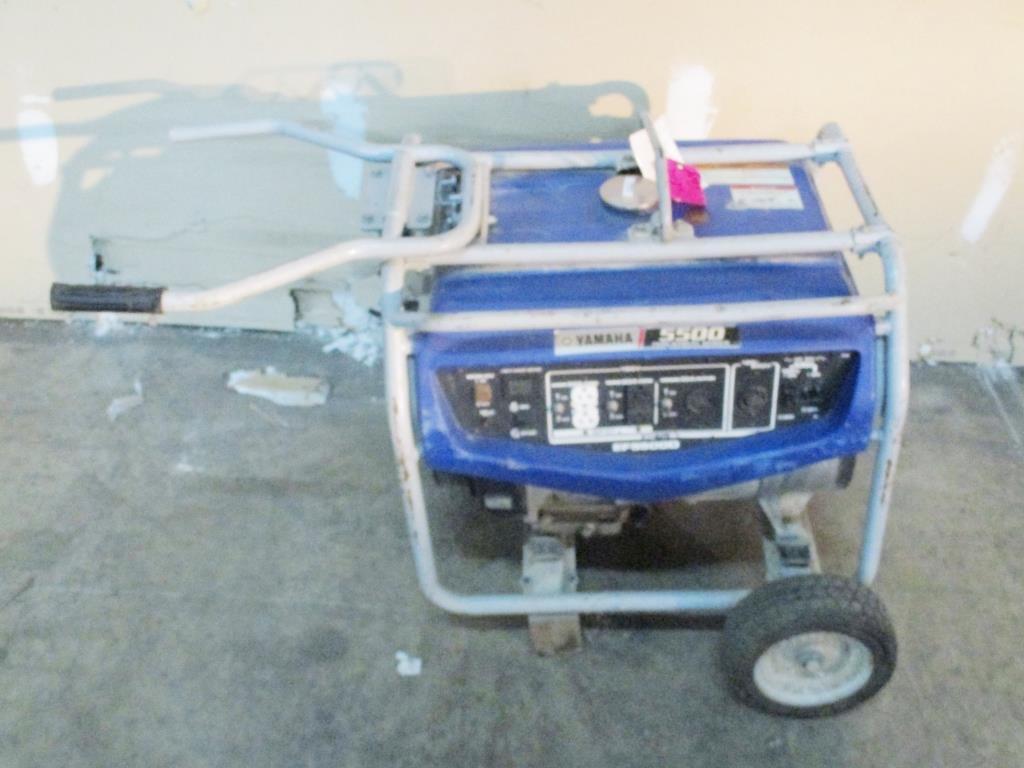
When the lights go out, the job site needs juice, or your RV adventures call for reliable power off-grid, a dependable generator isn't just a convenience—it's a necessity. Few brands command the same respect for quality and innovation in portable power as Yamaha. With a heritage spanning over 130 years, Yamaha has consistently delivered high-performance engines across diverse industries, and their generators are no exception. This comprehensive guide will navigate the intricate world of Yamaha generator models & specifications, helping you cut through the noise and make the smartest selection for your needs.
We're going beyond just wattage. We'll explore the critical features that define a Yamaha generator, from advanced inverter technology to robust construction, ensuring you understand exactly what you're investing in.
At a Glance: Your Yamaha Generator Fast Facts
- Diverse Range: Yamaha offers a wide array of portable generators, from ultra-compact inverter models to heavy-duty conventional units.
- Inverter Dominance: Many top Yamaha generators feature inverter technology, providing clean, stable power ideal for sensitive electronics.
- Key Specs Matter: Focus on maximum power output (watts), fuel tank capacity, runtime, and sound rating (dBA) for true suitability.
- Innovation & Quality: Yamaha is known for proprietary features like Smart Throttle for fuel efficiency and Oil Watch for engine protection.
- Portability & Design: Models vary significantly in weight and dimensions, with many offering wheels and handles for easier transport.
- Global Manufacturing: While a Japanese company, many Yamaha portable generators are manufactured in China, often with Japanese components.
Why Yamaha? A Legacy of Power and Innovation
Yamaha isn't just a name; it's a testament to engineering excellence, originating in Japan in 1887. While many might first think of motorcycles or musical instruments, the company's prowess in engine technology seamlessly translates to its highly-rated portable generators. Yamaha's commitment to innovation means their generators often incorporate cutting-edge features that enhance efficiency, reduce noise, and extend lifespan, making them a premium choice for discerning users. Whether it's the meticulous design of a four-stroke engine or the integration of advanced electronics for clean power, Yamaha consistently delivers on its promise of quality.
Deciphering Your Power Needs: What to Consider Before You Buy
Before diving into specific models, let's nail down what kind of power you actually require. This isn't just about throwing numbers around; it's about matching a generator's capabilities to your unique situation, ensuring you're neither underpowered nor overpaying for features you won't use.
Understanding Your Purpose, Timing, and Location
Generators aren't one-size-fits-all. Your ideal Yamaha generator will depend heavily on why you need it, when you plan to use it, and where it will operate.
- Emergency Home Backup: You'll likely need higher wattage to run essentials like refrigerators, lights, and perhaps a well pump or furnace. Portability might be less critical than raw power and extended runtime.
- RV or Camping: Quiet operation is paramount to avoid disturbing neighbors, and clean inverter power is crucial for sensitive RV electronics. Weight and compact design also play a significant role.
- Job Site/Construction: Raw power, durability, and multiple outlets are key. Noise might be less of a concern than robust output and resilience.
- Tailgating/Outdoor Events: Quietness, portability, and reliable power for small appliances or entertainment systems are often prioritized.
Calculating Power Consumption: Running vs. Starting Watts
This is where many first-time buyers get tripped up. Every electrical device has two wattage ratings:
- Running Watts: The continuous power a device needs to operate.
- Starting Watts (Surge Watts): The brief burst of extra power some devices (especially those with motors like refrigerators, air conditioners, or power tools) require to start up. This can be 2-4 times their running wattage.
Here's how to calculate your needs: - List all devices: Make a list of everything you plan to power simultaneously.
- Find Running Watts: Note the running wattage for each device (usually on a label or in the manual).
- Find Starting Watts: Identify the device with the highest starting wattage.
- Calculate Total Running Watts: Sum the running watts of all devices.
- Calculate Total Starting Watts: Take your total running watts and add the highest single starting wattage from your list. This final number is the minimum starting wattage your generator needs to handle.
Example: If your fridge needs 600 running watts and 1800 starting watts, and other devices total 1000 running watts with no significant starting surge, your generator needs to handle at least 1600 running watts (600 + 1000) and 2800 starting watts (1600 + 1200, assuming the fridge is the highest single starting load).
The Heart of the Matter: Types of Yamaha Generators
Yamaha offers a few distinct types of generators, each with its own advantages, suited for different applications and budgets. Understanding these differences is key to making an informed decision.
Inverter Generators: Clean Power, Quiet Operation
Yamaha's inverter generators are often considered the gold standard, especially for modern lifestyles. They convert raw DC power from the engine into AC power, then back into a much cleaner, more stable AC current (often referred to as "clean electricity" or "pure sine wave"). This makes them incredibly safe for sensitive electronics like laptops, smartphones, and medical equipment.
Key Benefits:
- Clean Power: Essential for sensitive electronics.
- Quiet Operation: Yamaha's Noise Block technology and Smart Throttle often make these the quietest options.
- Fuel Efficiency: Smart Throttle automatically adjusts engine speed to match the load, saving fuel.
- Portability: Generally lighter and more compact for their power output.
FW Generators: A Step Up from Standard
"FW" often refers to Field Windings or a specific design that aims to improve electricity quality compared to traditional standard generators, without the full complexity and cost of an inverter. They offer a good middle ground, providing more stable power than basic models but still at a more accessible price point than full inverters. They are suitable for many general-purpose applications where "pure sine wave" isn't strictly necessary but better power quality is desired.
Standard Generators: Raw Power, Robust Performance
These are the workhorses. Standard Yamaha generators are typically designed for high output and rugged reliability, making them perfect for construction sites, heavy-duty home backup, or powering multiple large appliances. They are generally less expensive per watt than inverter generators.
Key Characteristics:
- High Output: Capable of generating significant watts for demanding loads.
- Durability: Built to withstand tough conditions.
- Lower Price Point: More budget-friendly for high wattage.
- Maintenance: Often simpler in design, leading to lower maintenance costs.
While they provide reliable power, standard generators may produce a less "clean" power output, making them less suitable for highly sensitive electronics. They are also typically louder and less fuel-efficient than their inverter counterparts.
Spotlight On: Top Yamaha Generator Models & Their Specs
Now, let's delve into specific Yamaha models, highlighting their unique features and specifications based on common use cases and consumer feedback. This section provides a detailed look at the contenders, helping you match a specific model to your calculated power needs and priorities.
Yamaha EF6300iSDE: The All-Rounder (Editor’s Choice)
- Engine: 357cc 4-stroke Yamaha engine
- Power Output: 5500 running watts (6300 max) @ 120/240v
- Fuel Capacity: 4.5 gallons
- Runtime: Up to 13.3 hours
- Sound Rating: Not explicitly stated but known for quiet inverter operation.
- Weight: 200 pounds
- Key Features: This portable, quiet inverter generator is a powerhouse, ideal for RVs, campers, food trucks, and home backup. It boasts Yamaha Smart Throttle for superior fuel efficiency and a comprehensive control panel including an L5-30R outlet for easy RV connection. It's transfer switch ready and packed with safety features: a built-in fuel gauge, CO sensor, overload protection, and an auto low oil shut-off (Oil Watch warning system). Its wheels and double handle enhance portability, despite its robust build.
Yamaha EF2200iS: The Compact Inverter Champion (Best Inverter)
- Engine: 79cc single-cylinder
- Power Output: 2200 watts
- Fuel Capacity: 1.24 gallons
- Runtime: 10.5 hours at one-quarter load
- Sound Rating: Low noise (specific dBA not provided, but characteristic of inverter models).
- Key Features: Producing clean electricity, the EF2200iS is durable, compact, and easy to carry. It includes two standard outlets and offers an optional remote start accessory for added convenience. Its efficiency and low noise make it a standout choice for camping and light-duty backup.
Yamaha EF63ISDEZ: Endurance Power (Best Runtime)
- Power Output: Up to 6300 watts
- Runtime: Up to 13.3 hours on a single tank
- Sound Rating: 58-64 decibels (thanks to Noise Block system)
- Key Features: This powerful inverter generator offers an electric start and dual voltage output, perfect for home backup or large RVs. Its impressive runtime, coupled with safety features like a CO sensor and the Yamaha Oil Watch Warning System, ensures peace of mind. Power and hour meters help you monitor performance and schedule maintenance effectively.
Yamaha EF3000ISEB: Smooth Operator, Great Value (Best Value)
- Engine: 171cc overhead valve engine
- Runtime: Up to 19 hours continuous with Smart Throttle active
- Key Features: An advanced inverter generator known for high power output and sophisticated noise blocking. It's perfectly suited for powering travel trailers, fifth wheels, air conditioners, and power tools. It integrates Yamaha's Smart Throttle and Inverter Technology, along with an intelligent Oil Watch System, making it an excellent blend of features and efficiency for its price point.
Yamaha EF2400iSHC: Budget-Friendly Reliability (Budget Pick)
- Power Output: 2400 watts
- Fuel Capacity: 1.6 gallons
- Runtime: Maximum 8.6 hours at 25% load
- Key Features: This portable inverter generator offers a great balance of power and affordability. It delivers clean electricity with quiet muffler ability and enhances fuel economy through Smart Throttle technology. Easy to carry and compliant with emission regulations in all 50 states, it's backed by a 3-year factory warranty. A smart choice for those needing reliable, quiet power without breaking the bank.
The Whisper-Quiet Option: Ultra-Compact Inverter
- Power Output: Up to 1000 watts
- Fuel Capacity: 0.66 gallons
- Runtime: 12 hours straight at one-quarter load
- Sound Rating: 47-57 dBA (lowest on the list)
- Weight: 27.9 lbs
- Dimensions: 17.7 x 9.4 x 14.9 inches
- Key Features: While the specific model name isn't given in the research, this describes an ultra-compact inverter generator, clearly designed for maximum portability and minimal noise. Its incredibly low sound rating makes it ideal for situations where silence is golden, such as quiet campgrounds or tailgating. Its smaller power output means its warranty for commercial use might be limited.
The Robust Porter: Best Portable for Power (Model Not Specified)
- Power Output: 4500 watts (with Yamaha Boost Technology)
- Fuel Capacity: 4.5 gallons
- Runtime: 15.2 hours at a quarter load
- Key Features: This generator is characterized by its ergonomic and durable design, featuring wheels for easy transportation and accessible controls. Its substantial 4.5-gallon tank provides excellent runtime. With three outlets and Yamaha Boost Technology, it delivers robust power suitable even for industrial use, despite a bulky design that can make storage a bit tricky. This model is a strong contender for those needing significant power that can still be moved, albeit with some effort.
Yamaha EF7200DE: Unwavering Reliability (Most Reliable)
- Power Output: 7200 watts
- Fuel Capacity: 6.9 gallons
- Key Features: Considered one of the most reliable generators, especially for powering sensitive equipment (despite the context mentioning it as "one of the most reliable inverter generators" and then noting "its running time is limited" but having 7200W usually means a conventional generator for this range). This model offers three power outputs and comes with a solid 3-year limited warranty, underscoring its build quality and expected longevity. Its large fuel capacity supports high power demands, though runtime isn't its strongest suit for extended use.
Beyond the Watts: Key Specifications & Features to Evaluate
While power output is often the first thing people look at, a generator's true value lies in its complete package of specifications and innovative features. Here's a deeper dive into what makes a Yamaha generator tick.
Engine Size and Type
Yamaha inverter generators typically feature single-cylinder, four-stroke engines, ranging from a compact 50cc for the smallest units up to a robust 358cc for their higher-output models. A larger engine generally correlates with higher power output and often, greater durability for heavy loads, but also increased weight and fuel consumption. Four-stroke engines are known for their efficiency and lower emissions compared to two-stroke engines.
Fuel Tank Capacity and Runtime
This is where the "set it and forget it" factor comes in. Fuel tank capacities on Yamaha generators vary widely, from a small 0.66 gallons for the ultra-compact models to a generous 6.9 gallons for heavy-duty units. Correspondingly, runtimes can range from a minimum of 8.6 hours (at 25% load) to an impressive 19 hours (with Smart Throttle active at low load). Consider your typical usage—do you need it for short bursts or extended periods without refueling?
Sound Rating (dBA)
For many, noise is a deal-breaker. Yamaha's inverter generators are particularly noted for their quiet operation, thanks to advanced noise-blocking technology and features like Smart Throttle. Sound ratings can range from an incredibly low 47 dBA (quieter than a normal conversation) to around 64 dBA (about the level of a dishwasher). If camping or operating in residential areas, a lower dBA rating is a significant advantage.
Portability: Dimensions & Weight
A generator's "portability" is relative. The lightest Yamaha inverter generators (low power) start around 27.9 lbs (17.7 x 9.4 x 14.9 inches), easily carried by one person. More powerful inverter generators can weigh up to 245.7 lbs (29.1 x 28.4 x 31.5 inches), often requiring wheels and a sturdy handle system for transport. If you plan to move your generator frequently, pay close attention to its weight and whether it includes a wheel kit or ergonomic handles.
Safety Features: Peace of Mind in Every Watt
Yamaha prioritizes safety, incorporating several critical features:
- Carbon Monoxide (CO) Sensor: A vital safety feature that automatically shuts down the generator if harmful levels of CO are detected.
- Oil Watch Warning System (Low Oil Shut-off): Prevents engine damage by automatically turning off the generator if oil levels drop too low.
- Overload Protection: Shuts off power if the generator is overloaded, protecting both the generator and your appliances.
- Circuit Breakers: Standard on all models, providing immediate protection against electrical shorts.
Connectivity & Outlets
Consider the types and number of outlets you'll need. Common configurations include:
- Standard AC Outlets (120V): For most household appliances.
- Twist-Lock Outlets (e.g., L5-30R, L14-30R): Essential for RV connections or transfer switch readiness, offering secure connections.
- Dual Voltage (120V/240V): For powering larger appliances or specific tools that require higher voltage.
- DC Outlets: Some models include a 12V DC outlet for charging automotive batteries.
Smart Technology: Efficiency and Control
Yamaha's innovation shines through in its smart technologies:
- Smart Throttle: Automatically adjusts engine speed to match the load, dramatically improving fuel efficiency and reducing noise.
- Inverter Technology: As discussed, provides clean, stable power for sensitive electronics.
- Noise Block Sound Reduction System: Proprietary design that minimizes operational noise.
- Electric Start: Offers convenient push-button starting, often paired with a recoil start for backup.
- Power and Hour Meters: Help you monitor usage and track service intervals.
Warranty & Support
All listed Yamaha inverter generators come with a 3-year limited warranty against defects and poor workmanship. This significant warranty period reflects Yamaha's confidence in their product quality and provides long-term peace of mind. Always check the specific warranty details for your chosen model, especially regarding commercial use limitations.
Making the Smart Choice: A Practical Selection Guide
With a clear understanding of your needs and Yamaha's offerings, let's streamline your decision process.
Matching Power to Purpose
- RV & Camping Enthusiasts: Prioritize inverter generators like the EF2200iS or EF63ISDEZ. Look for low dBA ratings (below 60 dBA is ideal), clean power, and specific RV outlets (e.g., L5-30R). Portability and fuel efficiency are also key. Explore RV power solutions to ensure you have everything covered for your adventures.
- Home Backup Planners: Consider the higher wattage models like the EF6300iSDE or EF7200DE. Ensure it meets your total starting wattage requirements for essential appliances. Features like electric start and transfer switch readiness are highly beneficial. For comprehensive strategies, review our guide on home backup strategies.
- Job Site Professionals: Durability and raw power are paramount. The EF7200DE or the "Best Portable" with 4500 watts are strong candidates. Look for robust frames, multiple heavy-duty outlets, and a strong warranty for commercial use.
- Tailgaters & Event Organizers: The ultra-compact, quiet inverter models are perfect. Low noise and clean power for entertainment systems are crucial.
Prioritizing Quiet Operation
If noise is a major concern, always lean towards an inverter generator. Yamaha's Smart Throttle and Noise Block systems are designed for this. Compare dBA ratings carefully, remembering that even a few decibels can make a noticeable difference in perceived sound.
Weighing Portability vs. Power
There's often a trade-off. Smaller, lighter generators offer less power. Larger, more powerful generators are heavier and bulkier. Assess how often you'll move the generator and over what terrain. If frequent movement is required, features like wheels and integrated handles are non-negotiable.
Understanding Maintenance & Longevity
Regular maintenance is crucial for any generator's lifespan. Yamaha's Oil Watch system helps, but you'll still need to perform routine checks, oil changes, and filter replacements. Consider how easily accessible these components are. For general tips on keeping your generator running smoothly, consult our guide on generator maintenance tips.
Common Questions & Clarity on Yamaha Generators
Let's address some of the most frequently asked questions about Yamaha generators to provide even greater clarity.
How long can a Yamaha generator run continuously?
While generators are designed as backup power and not for continuous, non-stop operation, some Yamaha models can run for impressively long durations. With Smart Throttle active at a quarter load, models like the EF3000ISEB can run for up to 19 hours on a single tank. However, it's generally recommended to give any generator a break, allowing it to cool down and perform necessary checks.
Where are Yamaha generators manufactured?
Yamaha Corporation is a Japanese company, known for its rigorous quality control. While some Yamaha generators are made in Japan, many newer inverter and portable models are produced in China. These often still utilize Japanese-engineered components and adhere to Yamaha's strict quality standards.
How do I prevent generator theft?
Portable generators are valuable and can be targets for theft. Secure your generator in a locked shed or garage when not in use. When deployed, chain it to a difficult-to-move object like a heavy pole or vehicle chassis using a robust, hardened steel chain and padlock. Consider a generator alarm or housing that integrates security features.
Are Yamaha generators good for sensitive electronics?
Absolutely. Yamaha's inverter generators are specifically designed to produce "clean electricity," meaning a stable, pure sine wave power output. This makes them ideal and safe for powering sensitive electronics such as laptops, smartphones, televisions, and medical devices without risk of damage. This benefit of inverter technology is a key differentiator, and you can delve deeper into inverter generator benefits for more information.
What is "clean power" in an inverter generator?
Clean power refers to the quality of the electricity produced. Standard generators can have significant fluctuations in voltage and frequency, which appear as "dirty" or "spiky" power waveforms. Inverter generators, through a multi-step conversion process, produce power with a very stable voltage and frequency, closely mimicking the utility power from your wall outlet. This smooth, "pure sine wave" electricity is crucial for delicate electronic components that are susceptible to damage from inconsistent power.
Your Next Step to Power Independence
Choosing the right Yamaha generator is an investment in reliable power and peace of mind. By carefully considering your power needs, understanding the unique specifications of each model, and leveraging Yamaha's innovative features, you can confidently select a generator that serves you for years to come. Whether you're preparing for emergencies, embarking on an RV adventure, or powering a demanding job site, there's a Yamaha model engineered for your success.
Ready to find your perfect power solution? We encourage you to further Explore Yamaha generators and compare models side-by-side with your specific requirements in mind.